
Exploring the Ecological Consequences of Removing Tree Stumps
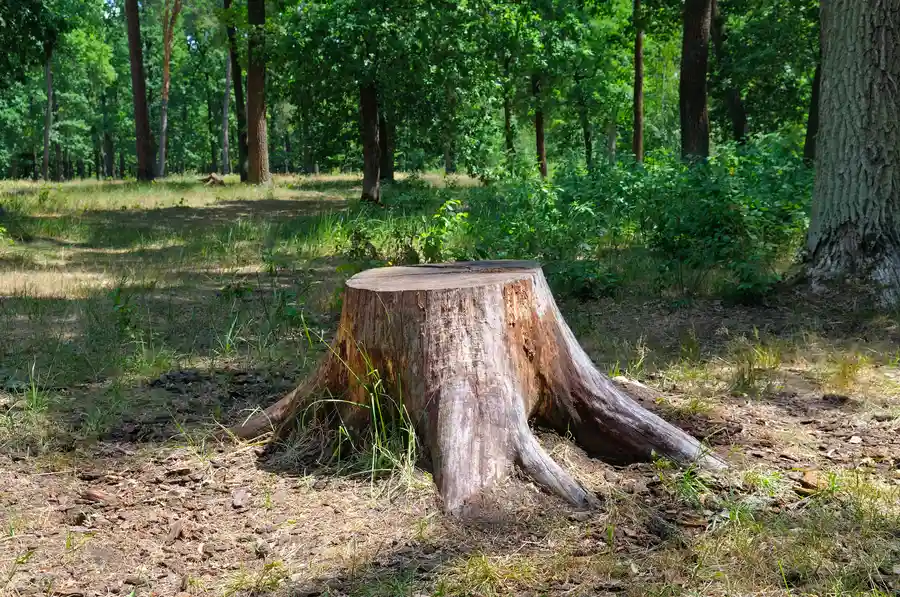
When trees are cut down, their stumps often remain as a reminder of what once stood tall. However, removing these stumps is sometimes necessary for safety and aesthetic reasons. While tree stump removal seems like a straightforward task, the methods used can have varying impacts on the environment. Understanding these impacts helps landowners make informed decisions that balance practical needs with ecological concerns.
The Importance of Choosing the Right Method
The method chosen for tree stump removal plays a significant role in determining its environmental impact. Some techniques may cause more harm to soil health and local ecosystems than others. Landowners should consider both immediate and long-term effects when selecting a stump removal approach.
Comparing Different Techniques
There are several common methods for removing tree stumps, each with unique environmental considerations:
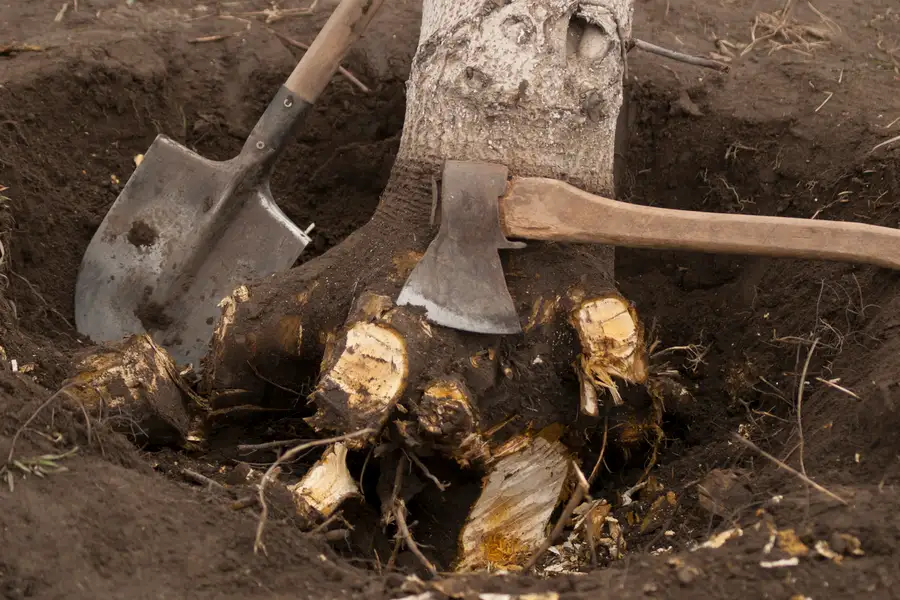
- Mechanical Removal: This technique involves using machinery to grind or dig out the stump. It is effective but can compact soil and disturb nearby plant life.
- Chemical Removal: Chemicals break down stumps over time. While less disruptive initially, they may introduce toxins into the soil and water.
- Naturally Encouraging Decay: Allowing stumps to decay naturally is eco-friendly but takes time and might not be feasible in all scenarios.
Environmental Benefits of Natural Decay
Allowing tree stumps to decompose naturally offers several environmental benefits. This process enriches the soil with nutrients as organic matter breaks down. It also provides habitats for insects and small animals, promoting biodiversity. Although it takes longer than mechanical or chemical methods, natural decay maintains ecological balance.
Challenges Posed by Chemical Methods
Chemical stump removal poses significant challenges to the environment. Chemicals can seep into the surrounding soil and water systems, potentially harming plants, animals, and even humans. The toxicity levels vary depending on the type of chemicals used, making it crucial to assess potential risks before proceeding with this method.
Best Practices for Minimizing Impact
To minimize the environmental impact when removing tree stumps, consider the following best practices:
- Select methods that align with your environmental values, such as manual removal or encouraging natural decay.
- If using machinery, ensure that operators take care to avoid unnecessary damage to surrounding areas.
- Research any chemicals thoroughly, opting for those with minimal ecological footprints if necessary.
Assessing Costs and Sustainability
While cost considerations often influence choice, sustainable practices should not be overlooked. Mechanical removal might offer quick results but at higher financial and ecological costs. Natural decay, although slower, is cost-effective and environmentally friendly. Balancing immediate needs with long-term sustainability ensures responsible land management.
Final Considerations for Responsible Choices
You need to weigh the various options available for stump removal while considering their environmental implications. YAS Tree Services INC provides expert advice for choosing sustainable solutions. For assistance in Clinton, MD, contact us at (301) 674-8928. Our team focuses on providing services that respect both client needs and environmental integrity.